
Why repair costs vary so much: north London guide
- 18 hours ago
- 6 min read
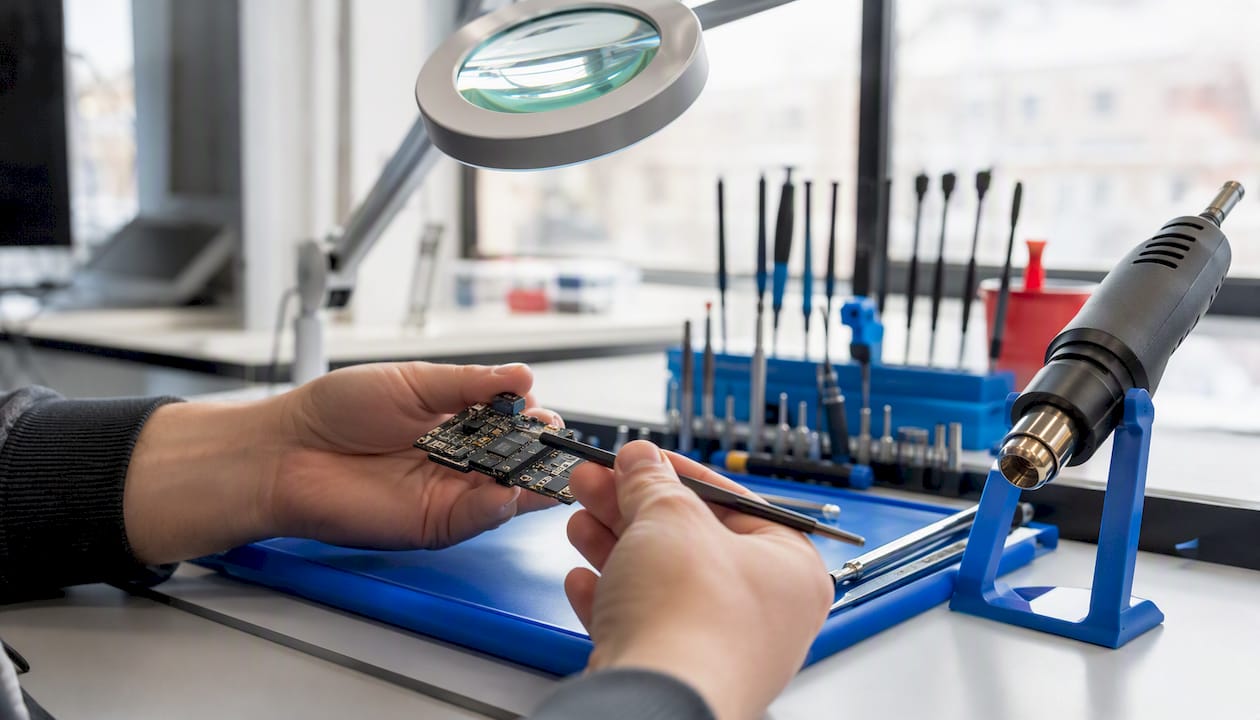
Repair quotes differ because labour skill, parts origin, diagnostic complexity, and local overheads vary far more than most people expect. A cracked iPhone screen might cost £80 at one shop and £180 at another, and both quotes can be entirely legitimate. Which? confirms that London and the South East consistently attract higher repair prices than the rest of the UK.
The main factors driving that gap are:
Labour rates and skill level — micro-soldering and component-level work commands a higher hourly rate than a simple screen swap
Parts origin — OEM (manufacturer-grade) parts cost more than aftermarket alternatives, and affect your warranty
Diagnostic time — identifying a fault takes paid technician hours, especially for water damage or board-level failures
Device design — sealed, integrated devices (think MacBook or iPad Pro) take far longer to open and repair safely
Local overheads — north London rent and business rates push labour costs above the national average
Ask any shop for an itemised quote before you agree to anything. Rapidrepairsldn offers transparent estimates covering parts, labour, and warranty terms.
Key takeaways
Repair quotes vary because labour skill, parts quality, diagnostic complexity, and local overheads each pull the price in a different direction — getting an itemised estimate is the single most effective way to compare them fairly.
Point | Details |
Labour drives the biggest gap | Micro-soldering and board-level work commands a complexity premium; complex repairs can be very expensive. |
Parts grade changes price and warranty | OEM parts cost more but carry better reliability; always ask which grade the shop is fitting. |
Repair vs replace threshold | Repair is generally worthwhile when the quote is below 40–50% of replacement cost. |
Diagnostic fees are normal | Reputable shops often deduct the diagnostic fee from the final bill if you proceed with the repair. |
Rapidrepairsldn | Offers itemised estimates, component-level motherboard repairs, and warranted work in north London. |
Table of Contents
Why do repair costs vary so much between shops?
Labour is the single biggest variable. A straightforward battery swap on a Samsung Galaxy takes 20–30 minutes; a motherboard component repair involving micro-soldering can take several hours and requires specialist equipment. Telecoms News (2026) reports a clear “complexity premium” in the UK market, with advanced board-level repairs pushing past £500 in some cases, driven by skills shortages and higher specialist hourly rates.
Parts are the second major variable. OEM parts carry manufacturer tolerances and typically come with a warranty; quality aftermarket parts cost less but vary in reliability. Scarce components — a specific charging IC for an older MacBook, for example — can take days to source and arrive at import prices affected by supply-chain pressures.
Typical UK price ranges for common repairs:
Screen replacement (smartphone): £60–£200 depending on model and part grade
Battery replacement (smartphone/tablet): £40–£90
Charging port repair: £50–£120
Water damage triage and cleaning: £50–£150 (outcome not guaranteed)
Component-level motherboard repair: £80–£300 for minor to mid-range faults
Full board replacement (laptop): £200–£600+
SCSI Shop’s analysis shows that minor board fixes — a capacitor swap or power-IC replacement — often fall in the £80–£150 range, while BGA rework sits higher. Full board replacement is almost always the most expensive route.
Device design matters too. Thin, integrated laptops and sealed tablets force technicians to remove multiple components just to reach the fault. LapServe’s serviceability research shows modular business laptops cost noticeably less to repair than sealed consumer designs.
Statistic: Telecoms News (2026) reports complex phone repairs in the UK can be very costly, often exceeding several hundred pounds, a figure that reflects both the complexity premium and a shrinking pool of shops with the skills to attempt them.
Pro Tip: Always ask for a breakdown showing labour cost, part cost, part origin (OEM or aftermarket), warranty length, and whether the diagnostic fee is deducted if you proceed.
How should you compare repair quotes fairly?
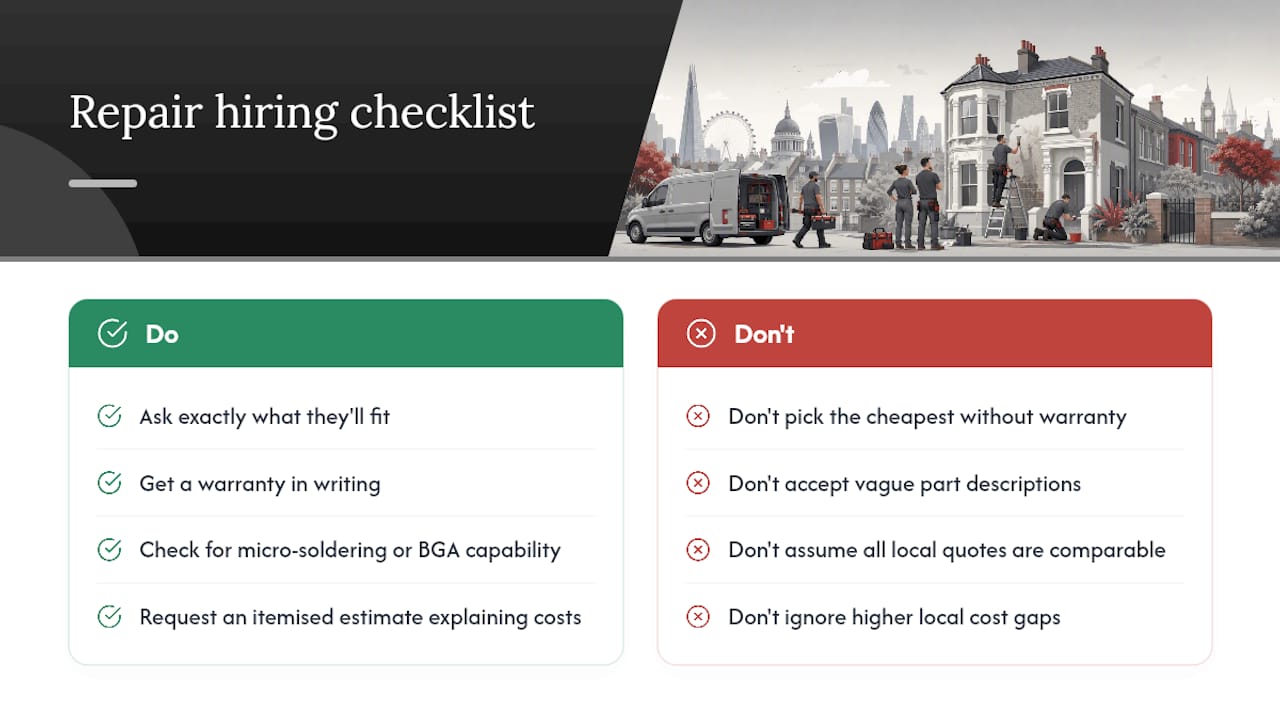
Request an itemised estimate from every shop. A quote that says “screen repair — £120” tells you nothing about whether that includes OEM glass, a 90-day warranty, or return testing. A proper estimate lists labour and parts separately.
Four questions to ask before you commit:
What grade is the part? OEM, manufacturer-refurbished, or aftermarket?
Is there a warranty? Reputable shops offer at least 30–90 days on parts and labour.
Is the diagnostic fee refundable? Many shops deduct it from the final bill if you proceed, as SCSI Shop notes.
What happens if a secondary fault is found? Cascading faults are common in water-damaged devices; you need to know the shop’s policy before work starts.
When does it make sense to repair rather than replace?
Mend or End’s UK guidance suggests repair is cost-effective when the quote comes in below roughly 40–50% of what a replacement device would cost. A £120 screen repair on a phone worth £400 is straightforward value. A £350 board repair on a two-year-old laptop worth £500 is a closer call.
Device age, data value, and environmental impact all shift that calculation. Replacing a device generates significant electronic waste; repair extends its life and avoids the carbon cost of manufacturing a new one, a point reinforced by Frontiers in Sustainability (2024). If your device holds irreplaceable photos or business data, the value of recovery often outweighs the repair cost on its own. See the repair vs replacement guide for a fuller breakdown.
How can you reduce what you pay for a repair?
Check your insurance first. Home contents policies and some mobile phone contracts cover accidental damage. An excess of £50–£75 can make an otherwise expensive repair effectively free.
Ask the shop which brands they use.
Choose an independent repairer over a manufacturer service centre. Authorised centres charge a premium and often replace entire assemblies rather than individual components. An independent shop with component-level skills can fix the specific fault for considerably less.
How does your warranty status affect repair costs and options?
An in-warranty device should go back to the manufacturer or an authorised service provider first. Apple, Samsung, and Google all offer warranty repairs at no cost for manufacturing defects, though accidental damage usually falls outside that cover.
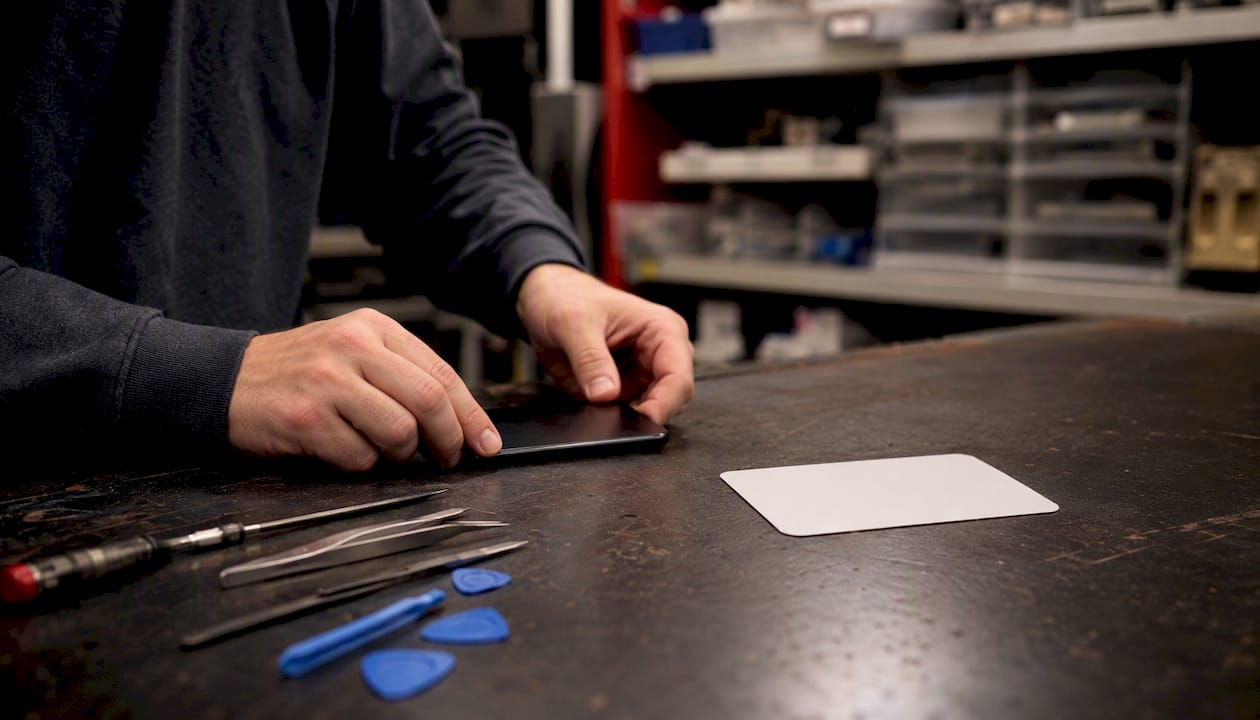
Once your warranty expires, your options open up. The UK’s Right to Repair regulations have improved spare-parts availability for some product categories, though coverage for smartphones and laptops remains incomplete. Using an independent repairer on an in-warranty device does not automatically void your warranty under UK consumer law, but it is worth confirming the shop’s approach before proceeding.
The advice most guides miss
Most repair-cost articles tell you to “get three quotes.” That is fine advice, but it misses the more useful point: a cheap quote is only cheap if the repair holds. A screen replaced with a low-grade panel that fails in six weeks has cost you more than the original quote suggested.
The real question to ask is not “who is cheapest?” but “who can show me exactly what they are fitting and back it with a warranty?” Shops that do component-level board work — the kind that requires micro-soldering stations and BGA rework equipment — tend to be more transparent about their process, because they have to be. That transparency is a reliable signal of competence across all the simpler repairs too.
North London consumers face a specific challenge: higher local costs mean the gap between a fair quote and an inflated one is wider than elsewhere. Knowing what drives each line item on your estimate is the only reliable way to tell the difference.
Rapidrepairsldn: transparent pricing and component-level repairs in north London
If you want a quote you can actually understand, Rapidrepairsldn gives you itemised estimates covering labour, parts grade, and warranty terms before any work begins. The shop handles everything from iPhone screen and battery repairs to laptop motherboard diagnostics and component-level fixes, including micro-soldering and BGA rework that most local shops cannot offer.
Diagnostics are transparent: you know the fault and the cost before you commit
Parts origin is disclosed on every estimate (OEM or quality aftermarket)
Repairs carry a warranty on both parts and labour
Turnaround on common repairs is typically same-day or next-day; board-level work is quoted with a realistic timeframe upfront
Book a diagnostic or get a quote at Rapidrepairsldn.
Sources
Recommended
Comments