
iPhone charging port cost in the UK: 2026 guide
- 8 hours ago
- 10 min read
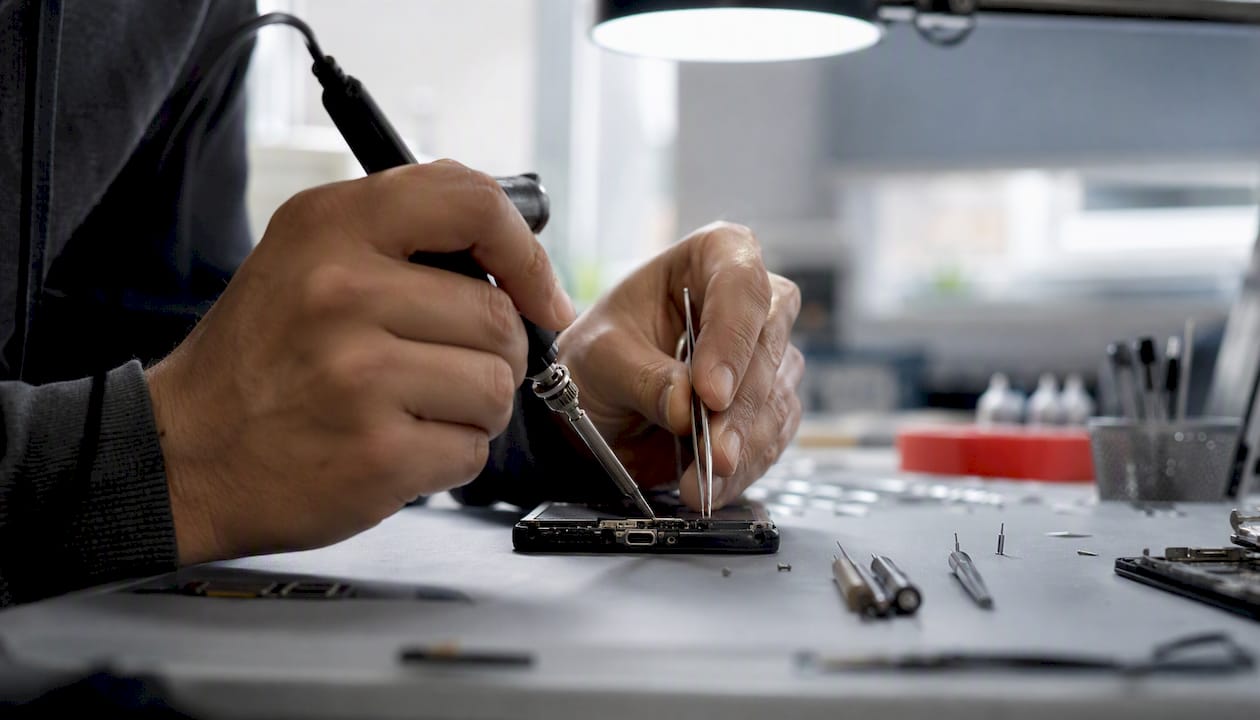
Getting your iPhone charging port fixed in the UK typically costs between £39 and £110 at an independent repair shop, or potentially several hundred pounds through Apple if the fault is classified as “other damage” and triggers a device replacement. If you want a quick answer: try swapping your cable first, then call a local independent shop for a free diagnostic, or check Apple Service and Repair for an official quote on your specific model.
For most people, a reputable independent repair centre is the faster, cheaper route. Roughly 40% of charging complaints are resolved by a simple port clean rather than a full replacement, which can cost as little as nothing at all. Rapid Repairs London handles component-level port repairs and diagnostics for iPhone owners in north London, and is one of the local options worth considering before committing to a more expensive route.
Key takeaways
Independent repair shops offer iPhone charging port fixes at a fraction of Apple’s device-replacement price, with most UK repairs falling between £39 and £110 depending on model and fault type.
Point | Details |
Typical UK repair cost | Independent shops charge £39–£110 for port replacement; cleaning is often free to £25. |
Try cleaning first | Roughly 40% of charging faults are resolved by a port clean, not a full replacement. |
Apple’s approach | Apple often quotes device replacement for port faults, which costs significantly more out of warranty. |
USB-C costs more | iPhone 15 and 16 USB-C port repairs cost more than older Lightning models due to assembly complexity. |
Rapidrepairsldn | Offers same-day component-level iPhone port repairs in north London with a warranty and clear upfront pricing. |
Table of Contents
What drives the iPhone charging port cost?
Several factors push the final bill up or down, and knowing them helps you judge whether a quote is fair.
Extent of damage. Lint or debris blocking the port is the cheapest fix. A bent or broken connector costs more. Liquid damage that has reached the logic board may require microsoldering, which is a different job entirely and priced accordingly. For board-level faults, see the phone motherboard repair cost guide for context.
Parts quality. Genuine Apple parts are used only by Apple and Apple Authorised Service Providers. Independent shops use aftermarket or OEM-equivalent parts, which are significantly cheaper wholesale. Parts themselves cost only a few pounds at the component level; labour is what you are really paying for.
Labour complexity. Some models require more disassembly, adhesive removal, and careful flex cable routing. That extra time adds to the bill.
Diagnostic fee. Some shops charge a fee to inspect the phone; others include it with the repair or waive it entirely. Always ask upfront.
Warranty or AppleCare+ status. If your device is in warranty or covered by AppleCare+, Apple may repair or replace it at no charge or a reduced fee. Check your coverage at Getsupport before paying anyone.
Turnaround urgency. Same-day or priority repairs sometimes carry a small premium at independent shops.
Pro Tip: When you call a shop, ask three things: whether the diagnostic is free, how long the parts warranty lasts, and whether they will show you the replaced component. A shop that answers all three confidently is one worth trusting.
Typical UK price ranges for port cleaning and replacement
Industry data puts the general range for a charging port repair at roughly $50–$150 (approximately £40–£120) depending on device and provider. UK-specific shop data narrows this further.
A note on Apple pricing: Apple’s UK repair pages classify many charging port faults as “other damage” rather than a component repair. This means Apple often quotes a full device replacement rather than a port swap, which is why Apple’s out-of-warranty costs are dramatically higher than an independent shop’s component-level fix.
These figures are approximate. Always get a quote for your exact model and describe the fault clearly, including whether the phone has been near water.
Apple or an independent shop: which is right for you?
The choice comes down to what you value most: certainty and genuine parts, or speed and lower cost.
Apple and Apple Authorised Service Providers
Advantages:
Genuine Apple parts and standardised repair processes
Repairs backed by Apple’s own warranty
AppleCare+ can reduce or eliminate the cost entirely
Data handled under Apple’s privacy standards
Disadvantages:
Port faults are often treated as “other damage,” meaning you may be quoted a device replacement rather than a component fix
Out-of-warranty costs are substantially higher
Booking and turnaround can take longer, especially if the device is sent off-site
No component-level repair option for most port faults
Independent repair shops
Advantages:
Component-level port replacement at a fraction of Apple’s device-replacement price
Faster turnaround, often same-day for straightforward jobs
Free or low-cost diagnostics at many shops
Transparent parts-and-labour breakdown if you ask for it
Disadvantages:
Aftermarket parts rather than genuine Apple components
Warranty length and terms vary between shops
Quality varies; vetting the shop matters
When to choose Apple or authorised service: your device is under AppleCare+, you want genuine parts as a priority, or the fault may be covered under warranty.
When an independent shop makes more sense: your device is out of warranty, the cost of Apple’s device replacement is disproportionate to the phone’s value, or you need a same-day fix. Read more on the benefits of professional iPhone repair to understand what to look for in a reputable shop.
How technicians diagnose charging problems, and what you can check at home
Before spending anything, run through a few quick checks yourself. They take two minutes and could save you £50.
Common symptoms and what they suggest
Phone charges intermittently or only at a specific angle: often a worn or debris-filled port, or a damaged cable.
No charging response at all: could be the port, the cable, the adapter, or a battery/logic-board issue.
Slow charging: may indicate a partially blocked port or a low-wattage cable.
Wireless charging works but wired does not: points strongly to the physical port rather than the battery or software.
If wireless charging works but wired does not, that is a useful diagnostic clue. You can explore why your iPhone won’t charge wirelessly to rule out other causes.
Safe at-home checks before you book a repair
Swap the cable and adapter with a known-working set. Cable faults are common and cost nothing to rule out.
Shine a torch into the port and look for compacted lint or debris. It is surprisingly common, especially in trouser pockets.
Use a soft, dry toothbrush or a short puff of compressed air to dislodge loose debris. Do not use metal objects or toothpicks; they can damage the contacts.
Restart the phone and try charging again.
Approximately 40% of charging faults are resolved by cleaning alone. If your port looks clear and the cable swap made no difference, it is time to book a diagnostic.
Cleaning versus full replacement
Port cleaning at a shop is usually free to around £25 and takes minutes. A full component replacement, where the port assembly is physically swapped out, costs more and takes longer because the phone needs to be partially disassembled. Diagnostics and cleaning are often low-cost or free, while component replacement varies by model.
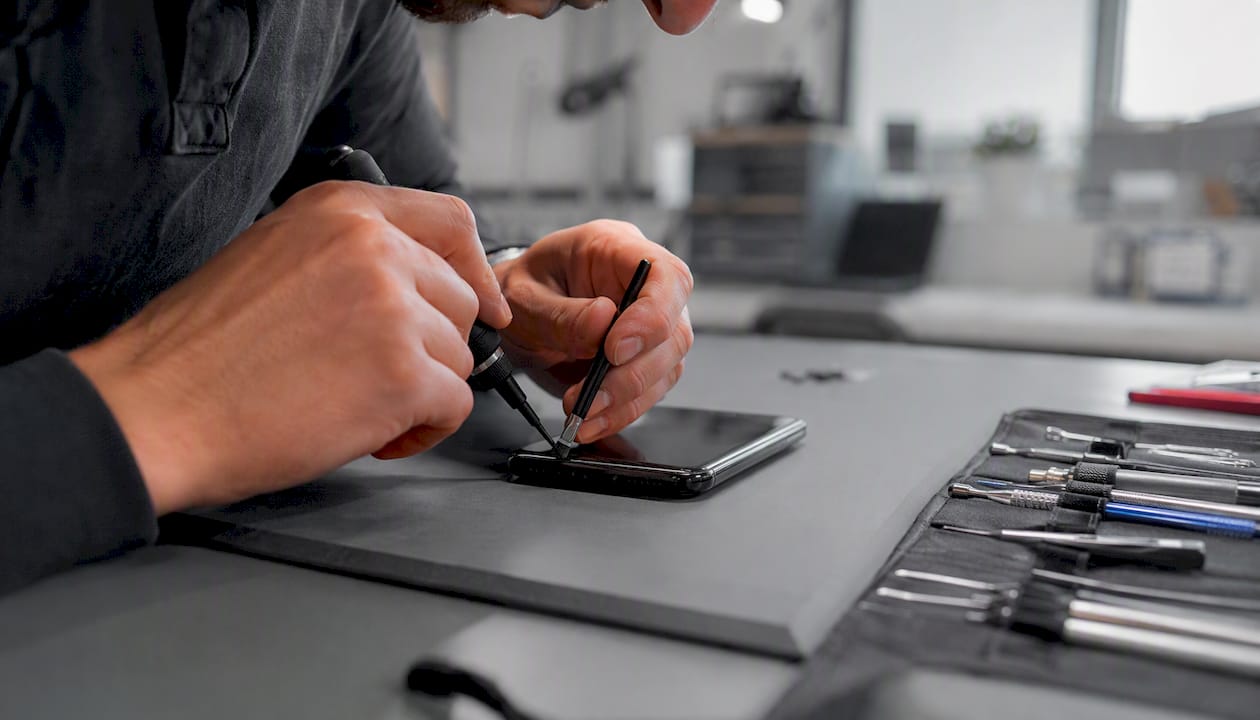
If the fault involves liquid damage or a bent connector that has damaged the board, microsoldering may be required. That is specialist work and priced differently from a standard port swap.
Pro Tip: Avoid DIY port replacement unless you have experience with phone disassembly. Parts are cheap (sometimes £4–£25), but the risk of damaging the flex cable, display connector, or battery during reassembly is real, and you will have no warranty if something goes wrong.
What happens during a repair, and how long does it take?
The typical repair process
Arrival and booking: you bring the phone in or post it. The shop logs the fault description and your contact details.
Diagnostic: the technician inspects the port, tests charging, and checks for liquid damage indicators. This usually takes 10–20 minutes.
Quote: you receive a price for cleaning or replacement before any work begins. A reputable shop will not proceed without your approval.
Repair: cleaning takes minutes; a component-level port replacement typically takes 30–90 minutes depending on the model.
Quality check: the technician tests charging with multiple cables and confirms the repair before handing the phone back.
Handback or return: in-person collection or postal return with tracking.
For a broader look at common iPhone repair issues and turnaround times, the Rapidrepairsldn blog covers what to expect across different fault types.
Typical timelines
Walk-in independent shop (cleaning): often same-day, sometimes within the hour.
Walk-in independent shop (component replacement): same-day in most cases; some complex models may be next-day.
Apple Store or Authorised Service Provider: same-day if parts are in stock; otherwise 3–5 working days, or longer if the device is sent to a repair centre.
Postal repair service: typically 2–5 working days from receipt, plus postage time each way.
Warranty terms
Independent shops commonly offer a 30–90 day warranty on parts and labour for port repairs. Some offer longer. Apple and Authorised Service Providers provide a 90-day repair warranty or the remainder of your AppleCare+ coverage, whichever is longer. Always ask for the warranty in writing.
Diagnostic fees vary: some shops charge £10–£25 if no repair is carried out; others waive the fee entirely. Confirm this before you hand over the phone.
How to choose where to get your port fixed
Questions to ask before you book
Is the diagnostic free, or is there a fee if I decide not to proceed?
What warranty do you offer on the parts and labour?
Will you show me the replaced component after the repair?
Do you use genuine Apple parts or aftermarket equivalents?
What is the estimated turnaround time for my model?
Do you recommend I back up my data before bringing it in?
Is there any risk to my data during the repair?
Red flags to watch for
No written warranty offered
Evasive or vague answers about which parts are used
Pressure to approve additional repairs before the diagnostic is complete
No fixed price given before work begins
No visible reviews or verifiable trading history
A short phone script for getting a consistent quote
“Hi, I have an [iPhone model] with a charging fault. Can you tell me: is the diagnostic free? What would a port clean or replacement cost for that model? How long would it take, and what warranty do you offer on the repair?”
That four-part question covers everything you need to compare shops fairly. If a shop cannot answer all four parts clearly, move on.
Verifying shop credibility
Check Google reviews and look for a consistent star rating across a reasonable number of reviews. Look for shops that list their experience with specific iPhone models, display a clear repair policy on their website, and offer component-level repairs rather than only device swaps. Visible pricing, even if approximate, is a positive sign.
How the price ranges in this article were derived
The figures used here come from a combination of sources, each checked for UK relevance.
Representative UK independent shop data from phonerepairspares.com shows port replacement commonly ranging from £39–£110 depending on model, with parts costs at the component level being a small fraction of the retail charge.
Model-specific cost summaries from the same source confirm that older Lightning models cost less to repair than USB-C models, and that roughly 40% of faults are resolved by cleaning.
Industry overview data from Anker’s repair cost guide provides a broader international context of $50–$150 for port repairs across device types and providers.
Limitations: shop prices change, and individual quotes depend on the exact fault, model condition, and parts availability at the time of repair. These ranges are a starting point, not a fixed price list. Always get a quote for your specific device.
A repair technician’s perspective on port faults
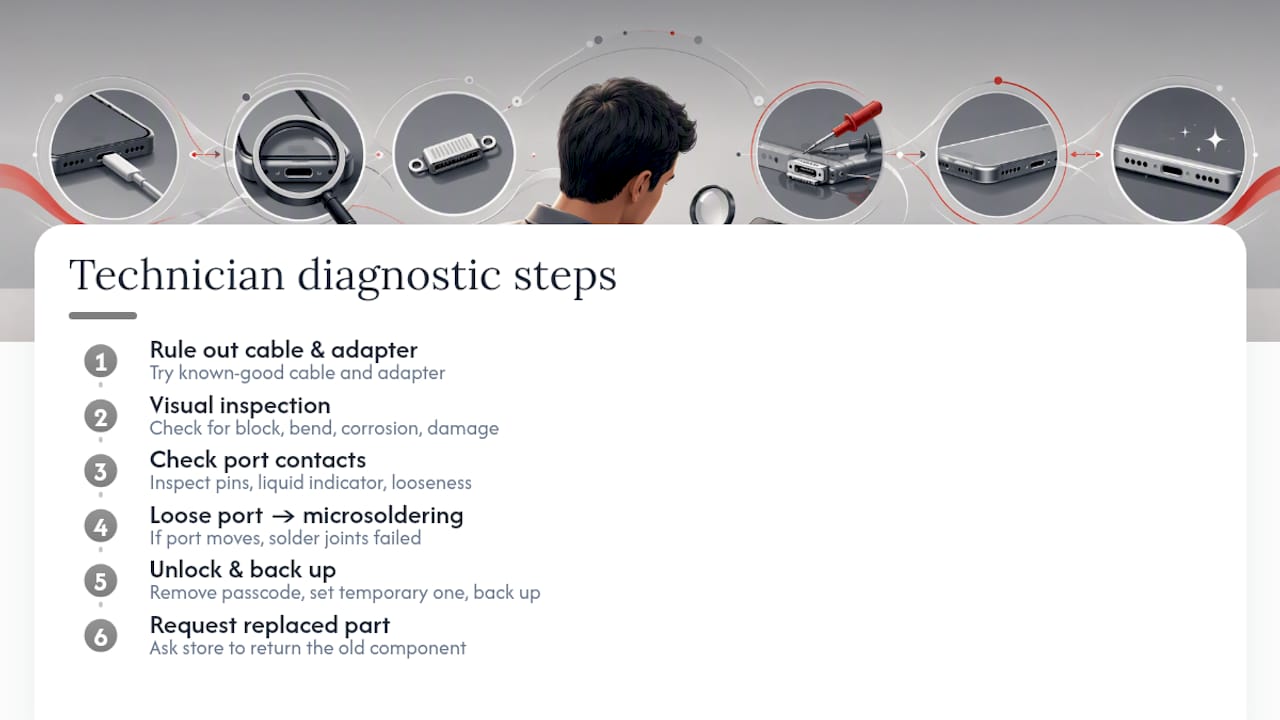
Port repairs are one of the most common jobs that come through the door, and the diagnosis is usually straightforward. The first thing a technician does is rule out the cable and adapter, because a significant number of “charging port” faults turn out to be a faulty cable. After that, a visual inspection under magnification shows whether the port is blocked, bent, corroded, or physically damaged.
What shops look for specifically: the condition of the contact pins inside the port, any signs of liquid ingress (the liquid damage indicators inside the phone turn pink or red when wet), and whether the port is loose in its housing. A loose port that moves when you plug in a cable usually means the solder joints have failed, which requires microsoldering rather than a simple swap.
One thing most people do not think about: remove your passcode or set up a temporary one before handing in the phone. Some diagnostic steps require the phone to be unlocked, and a shop that cannot access the phone cannot fully test the repair. Back up your data beforehand too, not because reputable shops are careless, but because any repair carries a small risk and your data is your responsibility.
Some shops offer to return the replaced part to you. This is worth requesting: it confirms the repair was actually carried out and gives you the old component as proof.
Rapid Repairs London: fast, local iPhone port repairs with a warranty
If you want a same-day fix without the uncertainty of price-shopping, Rapidrepairsldn offers component-level iPhone charging port repairs from its north London shop. The concrete difference from going to Apple: you get a component swap at a fraction of the device-replacement price, with a clear quote before any work starts and no obligation if you decide not to proceed.
Rapidrepairsldn carries out diagnostics, port cleaning, and full port replacement for a wide range of iPhone models, including both Lightning and USB-C devices. Turnaround for most port repairs is same-day. The repair comes with a warranty on parts and labour, and the shop operates on a no-fix, no-fee basis for diagnostics. Walk in, call ahead, or book online at Rapidrepairsldn to get a quote for your model and confirm availability.
Sources
Recommended
Comments