
Shop Owner's Take on iPhone Screen Repair Cost in the UK: 2026 pricing
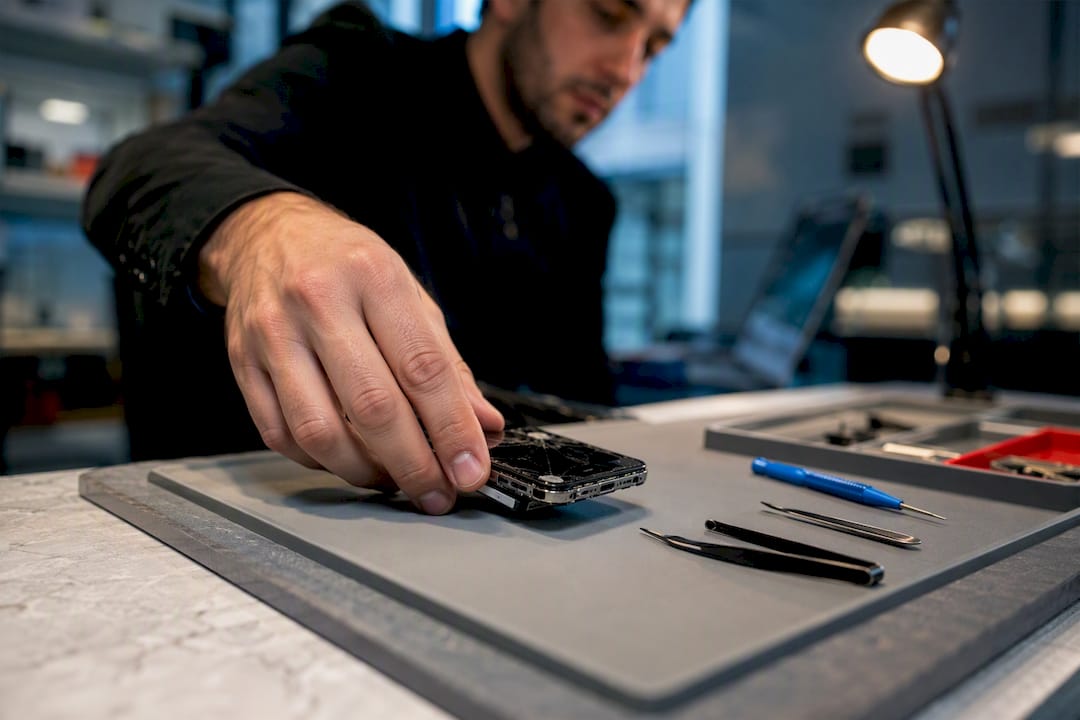
Expect to pay somewhere between £35 and £320 for iPhone screen repair in the UK, depending on your model and where you go. Manufacturer service sits at the top of that range unless you hold an incident-based cover plan, in which case the fixed excess fee usually beats every other option. Independent shops typically land in the middle, and DIY kits sit at the bottom but carry real risk. Check your coverage first, then get a written diagnostic quote before you commit to anything.
TL;DR:
Repair costs vary significantly by iPhone model and screen grade, with newer Pro and Max models reaching up to £320 for manufacturer repairs.
Independent shops typically charge between £35 and £220, depending on the device’s age and the screen quality selected, such as Incell LCD or OEM-grade OLED.
Screen grade is the biggest factor influencing price differences; OEM panels are the closest to original but also the most expensive.
Extra damage like bent frames or water ingress can rapidly escalate repair costs, making early diagnosis crucial.
Choosing manufacturer service is most cost-effective if you have an incident cover plan, while independent shops offer faster turnaround and warranty options for most owners.
Table of Contents
How much does iPhone screen repair cost by model and channel?
Your model generation decides which price bracket you fall into, and the repair channel decides where in that bracket you land. Older handsets are cheaper to fix, while the newest Pro and Max models typically cost significantly more for the same job.
Third-party UK repair pricing swings widely by model and part grade, with common consumer-facing ranges running roughly £35 to £90 for older models, £100 to £220 for mid-generation phones, and £160 to £320 for current Pro and Max devices. Here’s how that breaks down by channel:
Older models (iPhone 8 to iPhone 11 era): manufacturer out-of-warranty service tends to sit around £150 to £200; independent shops typically charge £35 to £90; DIY kits run roughly £30 to £70 depending on the source.
Mid-generation models (iPhone 12 to iPhone 14): manufacturer service climbs to roughly £200 to £280; independent repairs land around £100 to £220; DIY kits usually cost £70 to £130.
Pro, Max and newest models (iPhone 15 and 16 ranges): manufacturer out-of-warranty pricing can reach £300 or more; independent shops quote £160 to £320 depending on screen grade; DIY kits for these models can climb close to manufacturer pricing once you factor in the OLED panel cost, which iFixit’s own kit pricing confirms runs from around $70 up to $180 for standard models, but noticeably higher for current Pro parts.
Treat every figure above as a starting point, not a promise. A quote given over the phone or through a website form is based on the model alone. Prices can shift once a technician actually opens the device, because inspection frequently reveals damage that changes the parts needed and, therefore, the final cost of the repair.
VAT is usually already included in a UK shop’s advertised price, but always confirm this before booking, particularly for mail-in services that quote a headline figure and add shipping or diagnostic fees afterwards. Our own breakdown of iPhone model repair cost differences goes into more detail on how these bands shift generation by generation.
Why do iPhone screen repair quotes vary so much?
Three things drive the price gap between a £40 quote and a £280 one: the model’s construction, the screen technology fitted, and the condition of the phone once it’s opened up.
Model construction matters more than most people expect. Recent iPhones use tightly integrated display assemblies, where the screen, digitiser, and sometimes the earpiece speaker and Face ID sensors are bonded together as a single unit. Older iPhones had simpler, more modular panels that were cheaper to source and quicker to fit. That’s part of why a repair on an iPhone 11 costs a fraction of the same job on an iPhone 15 Pro, even before you consider screen grade.
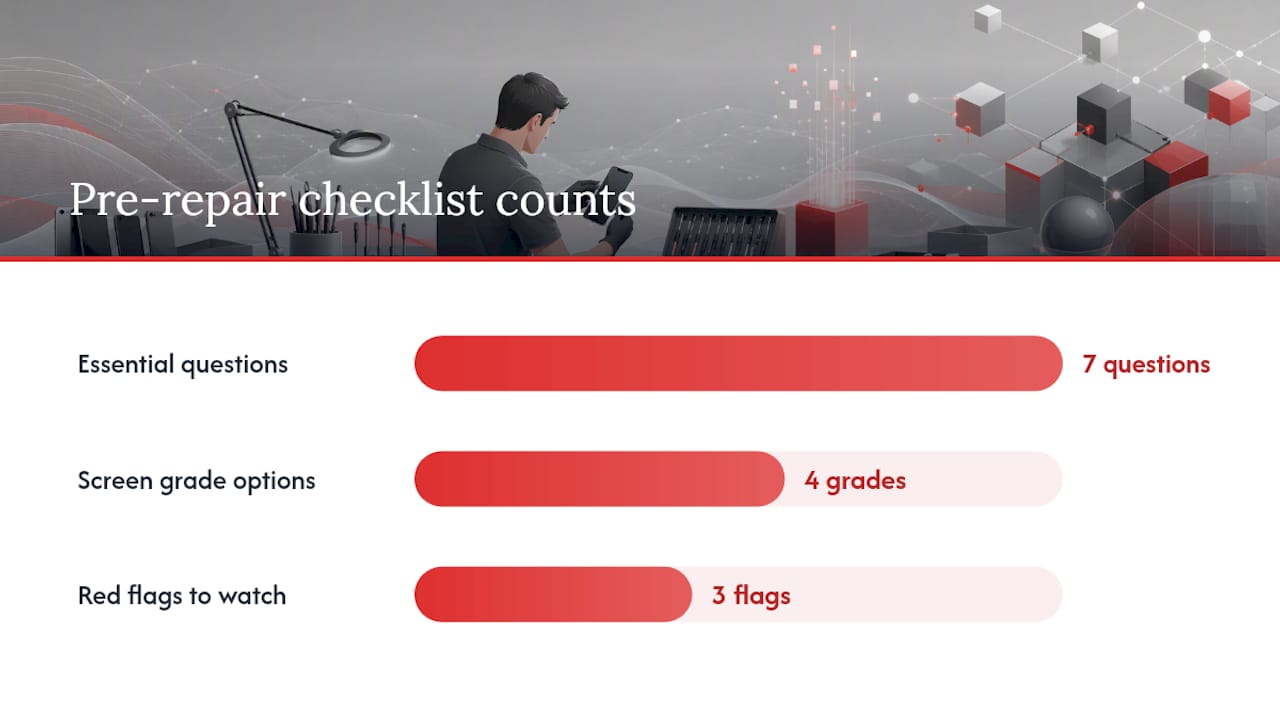
Screen grade is the single biggest lever on price. Four grades dominate the UK independent market:
Incell LCD — the budget option, using older LCD technology even on models that shipped with OLED. Cheapest to buy and fit, but colour accuracy and brightness fall noticeably short of the original.
Hard OLED — a mid-tier aftermarket OLED panel. Closer to original in colour and contrast than Incell LCD, though touch sensitivity and durability can be inconsistent.
Soft OLED — the best aftermarket grade, built on flexible OLED substrates that most closely replicate Apple’s own panels for colour, brightness, and touch response.
OEM or OEM-refurbished — genuine Apple-manufactured panels, either pulled from donor devices or manufacturer-supplied. This is the closest match to the original screen and usually the most expensive non-manufacturer option.
Screen grade explains most of the price difference at the same shop for the same model. For owners of a phone that’s one or two generations old, a premium independent repair using a Soft OLED panel often gives the best balance between price and a display that looks and feels like the original.
Additional damage adds cost fast. A cracked screen rarely arrives alone. Bent frames, damaged back glass, or water ingress complicate the repair and often require extra parts or diagnostic time. Our guide to back glass repair options covers how that specific add-on affects the total bill. Newer Pro models also demand more calibration work and specialist tools to preserve True Tone and Face ID after a swap, and that embedded labour is baked into why Pro and Max repairs cost more than base models even with an identical screen grade.
Landed cost versus customer price is where the real margin sits. A sensible repair shop budgets the wholesale part cost, inspection time, labour, consumables, an overhead allocation, and a reserve for rework if something goes wrong during the fit. Two shops quoting very different prices for the same model are usually reflecting different screen grades and different cost structures, not one of them ripping you off.
Which repair channel should you actually choose?
Three routes exist for fixing a cracked iPhone screen, and each suits a different situation. None is universally “best.” The right one depends on your warranty status, your model, and how much risk you’re prepared to accept.
Manufacturer service. This is the safest route for preserving every feature exactly as Apple intended, including Face ID, True Tone, and battery health reporting. If you hold an incident-based repair plan, this is very often the best value option outright, since manufacturer incident cover typically reduces the cost to a small fixed fee rather than the full out-of-warranty price. Without cover, though, you’re paying the highest bracket in the market.
Independent UK repair shops. Pricing here varies enormously by the screen grade you choose, but turnaround is often faster. Many UK shops advertise express repairs completed in 30 to 90 minutes for popular models, and a reputable independent will offer a written warranty on both parts and labour, typically running from three months to a year.
DIY and self-repair kits. The cheapest route on paper, and genuinely viable if you’re comfortable with small precision tools and micro-connectors. But it’s a false economy for most people. DIY works best for experienced repairers or kits that include a genuinely high-grade Soft OLED panel; otherwise the risk of snapping a ribbon cable or losing Face ID pairing can turn a £70 kit into a far more expensive mistake once you pay someone to fix your fix.
Pro Tip: If you’re not sure whether your device still has active manufacturer cover, check before you book anywhere else. A fixed incident fee under an active plan almost always beats every independent or DIY option, no matter how good the OLED panel on offer.
For most UK owners outside an active manufacturer plan, an independent shop offering Soft OLED or OEM-grade parts with a written warranty is the sensible middle ground: faster than mail-in manufacturer service, safer than DIY, and usually cheaper than both.
What should you ask before booking a screen repair?
A transparent quote answers seven questions before you hand over your phone. If a shop can’t answer these clearly, that’s worth noting before you commit.
Confirm the exact model, including storage capacity and region, since parts differ even within the same model name.
Ask which screen grade they’re fitting: Incell LCD, Hard OLED, Soft OLED, or OEM.
Ask how long the warranty runs on both parts and labour, and get it in writing.
Ask specifically whether Face ID and True Tone will be preserved after the swap.
Ask for a realistic turnaround time, and whether that changes if extra damage is found.
Ask what happens to your data during the repair, and whether the shop needs your passcode.
Ask for a written quote before work starts, not a verbal estimate given over the phone.
Red flags worth walking away from: a quote significantly below the typical independent range with no explanation of screen grade, a shop that won’t commit to a warranty period, or one that refuses an inspection-first policy and instead demands full payment upfront sight unseen. Unusually low prices frequently signal a budget Incell LCD panel being passed off without that detail volunteered. Our piece on common iPhone repair scams covers the tactics to watch for in more depth.
Insist on an inspection-first approach wherever possible. A shop that checks your device before quoting, and documents any additional damage found, protects you from a surprise final bill that bears no resemblance to the number you were originally given.
How long does it take and how should you prepare?
Turnaround depends entirely on which channel you choose. In-store express repairs at independent shops are typically the fastest, often completed within 30 minutes to a few hours depending on model complexity. Mail-in services usually take several days once postage is factored in both directions. Manufacturer service can range from same-day at a walk-in store to a week or more if your device needs sending away.
Before you drop off or post your phone, back up your data through iCloud or your computer, and disable Find My iPhone so the shop can properly test the device once repaired. Keep your Apple ID password to hand in case reactivation is needed afterwards.
Watch for extra fees that can appear after inspection: a diagnostic charge if you decide not to proceed, courier costs for mail-in repairs, or an adjusted price if the technician finds frame damage or a failed digitiser once the screen comes off.
Rapid Repairs LDN’s take on UK iPhone screen pricing
Rapid Repairs LDN builds every customer-facing price from the same starting point: landed part cost, plus labour, plus a warranty allowance. That’s why our own pricing guide on model repair cost differences shows such a clear step up in price between older handsets and current Pro models, and it’s the same logic that explains variation in charging port repair costs across our range.
We don’t quote a single flat number for “iPhone screen repair” because it isn’t a single job. A Soft OLED replacement on an iPhone 15 Pro involves more calibration time, more sensitive handling, and a more expensive part than the same job on an older LCD-based model, and our pricing reflects that honestly rather than rounding everything to one convenient figure.
What happens if you delay fixing a cracked screen?
A cracked screen rarely stays a purely cosmetic problem. Sharp glass edges spread hairline cracks with everyday use, and moisture can work its way through a compromised screen seal far more easily than through an intact one.
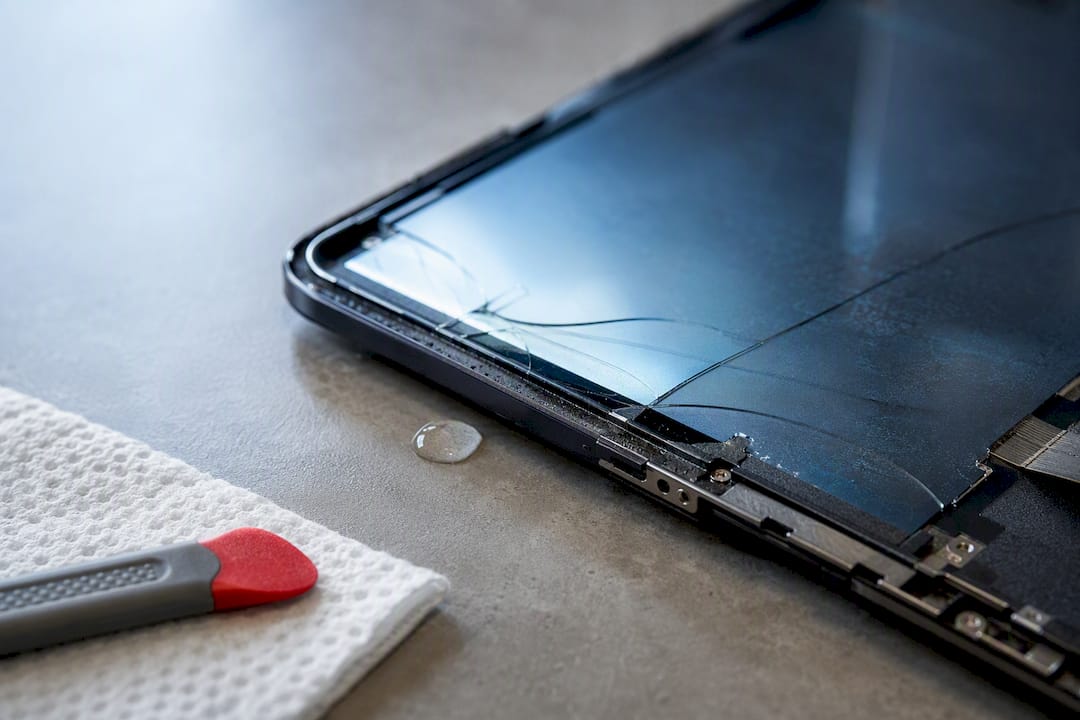
Water ingress through a cracked display is one of the more expensive escalations. What starts as a simple screen job can turn into a corrosion problem on the logic board if liquid reaches internal components, and that repair costs considerably more than a screen alone, sometimes making the phone uneconomical to fix at all.
Touch responsiveness often degrades gradually before it fails completely, which means a phone that’s merely annoying to use today can become genuinely unusable within weeks. A digitiser that’s been flexing under a cracked panel for months is also more likely to have suffered damage that adds to the final repair bill compared with catching the crack early.
The practical lesson: get a diagnostic quote as soon as damage appears, even if you’re not ready to book the repair immediately. Knowing your options costs nothing, and delaying rarely saves money once you factor in the risk of a small crack becoming a much bigger, wetter, more expensive problem.
Why quotes differ so much, and what actually matters first
Most advice on this topic treats price as the only variable worth comparing, and that’s where it falls short. The real decision isn’t “which shop is cheapest” but “which screen grade am I actually being quoted,” because that single variable explains most of the gap between a £40 repair and a £250 one for the exact same phone.
Conventional guidance tends to bury screen grade in small print or skip it entirely, which leaves people comparing prices that aren’t actually comparable. A £60 Incell LCD repair and a £150 Soft OLED repair aren’t competing offers for the same job. They’re different products wearing the same name.
If you take one thing from this, prioritise asking about part grade before you ask about price. Once you know what you’re actually being offered, the price differences make sense, and you can judge value properly instead of chasing the lowest number on a page.
— Joshua
Book a transparent iPhone screen repair with Rapid Repairs LDN
Rapid Repairs LDN gives you the one thing a phone-call quote rarely does: a price built from a named screen grade, a written warranty, and a diagnostic check before any work starts, so you know exactly what you’re paying for before you commit.
We repair iPhone screens across every model generation, from older handsets needing a straightforward LCD swap to current Pro and Max devices requiring Soft OLED parts and careful Face ID calibration. Every repair carries a clear warranty, and we’ll tell you upfront if inspection reveals additional damage rather than adjusting the bill after the fact.
Booking is straightforward: get in touch with your model and a description of the damage, and we’ll confirm a written estimate before you travel in. If you’re local to north London, visit our iPhone repair page to see current pricing bands and book a slot, or check our main shop page for opening hours and directions.
Sources
Recommended
Comments