
£80–£500+: Face ID repair costs in the UK and Rapid Repairs' checklist
- 2 days ago
- 6 min read
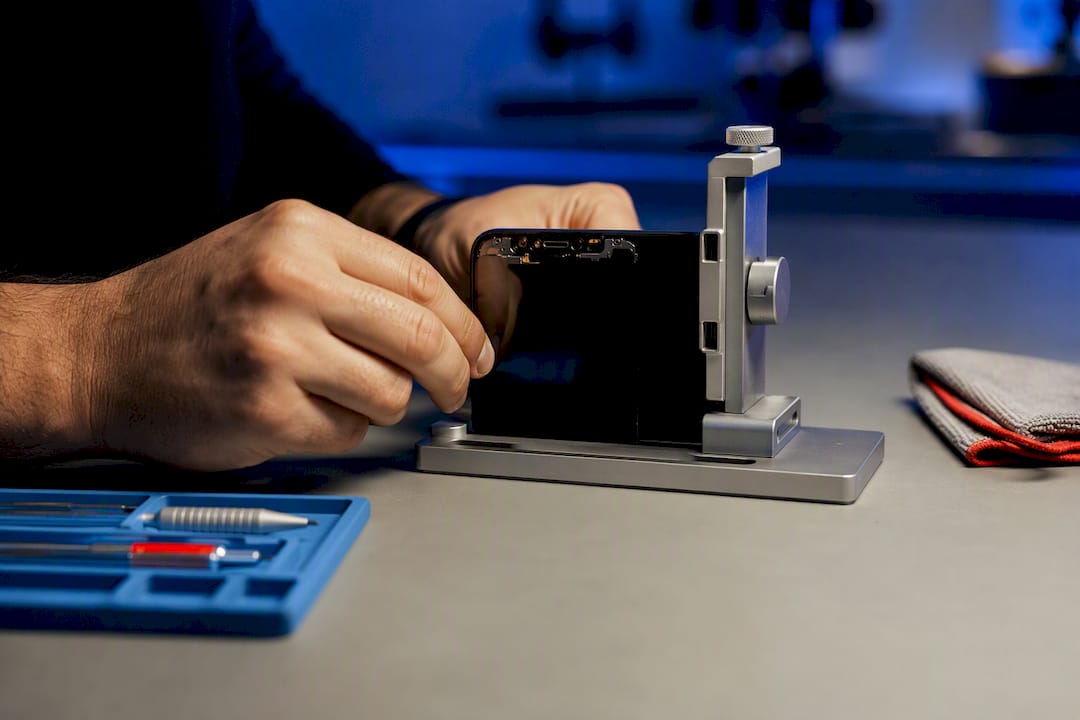
Most UK Face ID repairs cost between £80 and £150 at an independent shop for a straightforward front camera fault, rising to £250-£500+ through Apple out-of-warranty for models needing whole-unit replacement or logic board work. If you’re covered by AppleCare+, that fee drops sharply to a single incident charge. Before booking anything, check your AppleCare status and back up your iPhone.
TL;DR:
UK repair costs for a simple Face ID fault at independent shops typically range from £80 to £150, significantly lower than Apple’s out-of-warranty fees of £250 to over £500.
Quoting too cheaply often means a quick component swap without proper calibration, risking Face ID malfunction or partial failure after repair.
Genuine calibration and parts are essential, especially on newer, modular iPhone models from iPhone 13 onward, to ensure Face ID remains fully functional.
Proper preparation involves backing up data, confirming parts and calibration, obtaining a written estimate, and clarifying turnaround and warranty before committing to the repair.
Table of Contents
How much does a Face ID repair cost in the UK?
Face ID pricing splits into three rough bands, and knowing which one applies to your iPhone saves a lot of guesswork.
Apple’s out-of-warranty fees for biometric faults are usually bundled into its broader “other damage” charge category, and this tends to sit at a high mid-range figure that climbs with newer, more expensive models. UK repair guides put typical out-of-warranty Face ID repairs between roughly £250 and £500+ depending on model, with the newest Pro models at the top of that range.
AppleCare+ changes the maths considerably. Instead of paying the full out-of-warranty rate, you pay a fixed incident fee, which is why checking your cover status before booking anything matters more than almost any other step.
Independent shops often advertise noticeably lower prices, sometimes £80 to £150, for what looks like the same job. That gap is real, but treat it carefully:
Genuinely modular TrueDepth repairs on newer models can legitimately cost less than an Apple quote.
A very cheap quote sometimes means a swapped component without proper calibration, leaving Face ID partially working or disabled.
Whole-unit replacements on older iPhones cost more everywhere, because there’s no way to service just the failed part.
Screen or water damage alongside a Face ID fault almost always pushes the job into out-of-warranty territory with diagnostic fees on top.
If a quote looks too good against everything else on this page, ask what it actually includes before you hand over your handset.
Where can you get Face ID repaired, and what does each route mean?
You’ve got four practical options in the UK, and each one trades off cost against certainty.
Apple direct: uses genuine parts and runs the official Repair Assistant, finishing with the “Finish Repair” calibration step that Apple states is required for the front camera to function correctly. You get predictable warranty cover, but out-of-warranty fees sit at the higher end.
Apple Authorised Service Provider: generally holds Apple to the same parts and calibration standard, though fees can vary shop to shop.
Independent Repair Provider: often cheaper, but access to genuine parts and proper calibration tools varies enormously between shops. Always check what warranty the provider itself offers before booking.
Self Service Repair: available for some models through Apple’s own programme, but it means ordering official parts and tools yourself and running the calibration process without a technician. This route only suits confident, experienced users.
Pro Tip: Ask any independent shop directly whether they run a post‑repair calibration test on the same visit. If they can’t describe the process, that’s your answer.
What affects the price: model, damage type and repair method
Three things drive the final number more than anything else.
Model generation. iPhones from the iPhone 13 generation onward tend to use a modular TrueDepth sensor that can be swapped on its own, which keeps costs down. Older models often need the whole front camera housing or display assembly replaced together, pushing the bill up.
What else is damaged. A Face ID fault linked to a cracked screen, water ingress, or logic board damage stops being a simple sensor swap and becomes a much more involved repair, often with diagnostic time added.
Labour and parts complexity. Microsoldering work, sourcing genuine parts, and calibration time all add to the final invoice, and these costs stack rather than average out.
AppleCare+ and your consumer rights under UK law can shift the effective cost you pay even when the underlying repair complexity doesn’t change. Model-specific pricing differences are worth understanding in more detail here before you commit to a quote.
Why do some third-party Face ID repairs fail?
TrueDepth components are cryptographically paired to your iPhone’s logic board, not just physically connected. Apple’s own guidance is explicit that replacing the front camera hardware isn’t enough on its own. Without the correct software calibration, Face ID can stay disabled even after a technically sound hardware swap.
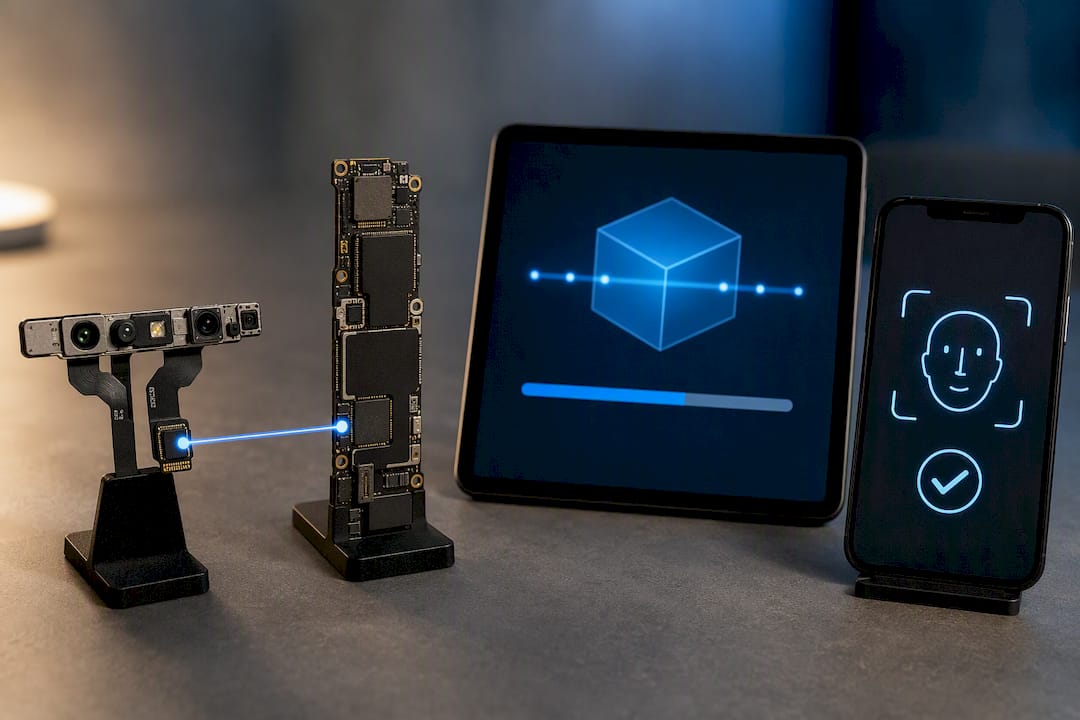
A pattern worth knowing: industry sources on DIY and unofficial repairs consistently find that inexperienced or uncalibrated attempts commonly damage neighbouring components or leave a device less secure than before. Plenty of people who accept the cheapest quote end up paying twice, once for the failed fix and again for a proper repair afterwards.
Before you commit, ask directly whether the shop uses genuine parts and runs a completion calibration. If they hesitate, that’s your answer.
Should you repair or replace your iPhone?
Run the numbers before you decide anything.
Compare the repair quote against your iPhone’s current resale value, not what you originally paid for it.
As a rough rule of thumb, if the repair costs more than half of what the device would sell for today, replacement usually makes more financial sense.
Check how many years of iOS updates and battery health the device has left; an ageing iPhone nearing the end of its support window is a weaker candidate for a costly repair.
Sentimental value or irreplaceable local data can tip the decision towards repair even when the pure economics say otherwise.
If you have AppleCare+, the calculation usually favours repair outright, since the fixed incident fee removes most of the financial risk.
How to prepare for a Face ID repair
A little preparation avoids most of the nasty surprises that come with device repairs.
Back up first. Use iCloud or a local backup and turn off Find My/Activation Lock before handing your iPhone over.
Ask about parts and calibration explicitly. Confirm genuine Apple parts and a Repair Assistant/Finish Repair step are included in the price.
Get it in writing. A proper estimate should separate diagnostics, parts, calibration, and a post-repair functional test.
Confirm turnaround and warranty length before you agree to anything, along with how the shop handles your data during the repair.
Pro Tip: If a shop can’t tell you their turnaround time on the spot, ask why. A repairer who genuinely does calibration work daily knows this answer without checking.
Our take on Face ID repairs at Rapid Repairs
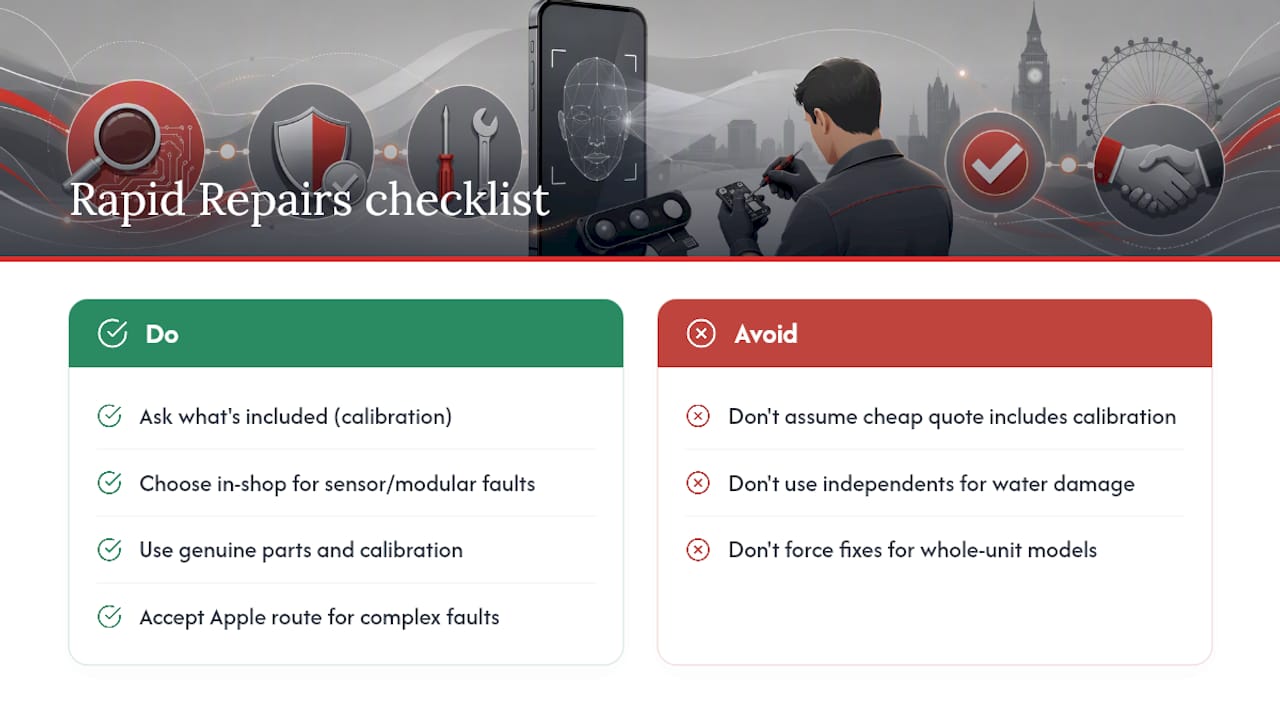
Rapid Repairs handles a good number of TrueDepth and Face ID cases in-shop, and honesty about limits is part of the job. When a fault is a straightforward sensor issue on a newer, modular-friendly model, an in-shop repair with genuine parts and proper calibration is usually the faster, cheaper route. When the case involves a logic board fault, water damage, or a model where only a whole-unit swap will do, we say so directly and point customers towards an Apple or authorised route rather than force a fix that won’t hold. Our model-specific cost breakdown reflects that same principle: transparency about what genuinely needs official servicing.
The mistake most people make isn’t choosing Apple over independent, or the other way round. It’s assuming the price tag tells the whole story. A £90 quote that skips calibration isn’t cheaper than a £250 quote that includes it, it’s just a repair you’ll likely pay for twice. Ask what’s actually included before you compare numbers.
— Joshua
Book a Face ID diagnostic with Rapid Repairs
Rapid Repairs gives you a straight answer on your Face ID fault before you commit to any repair, and that’s the real difference from guessing off an online price list. Our diagnostic identifies whether your fault is a modular sensor issue we can fix in-shop with genuine parts and proper calibration, or whether it genuinely needs Apple’s whole-unit route, and we’ll tell you which honestly rather than take the job either way.
Most in-shop diagnostics come with same-day turnaround and a clear warranty on the work completed. If your Face ID has stopped working entirely, our guide to diagnosing the fault is worth a read first. When you’re ready, book a diagnostic through our iPhone repair service page, and we’ll give you a clear, itemised quote before any work begins, no surprises on the invoice.
Sources
Check current fees and genuine parts guidance directly on Apple’s repair pricing page and its notes on genuine iPhone front cameras. For UK-specific repair-versus-sell maths, see this cost versus value guide.
Recommended
Comments