
iPhone repair turnaround time factors: what to expect
- 1 day ago
- 9 min read

Most common iPhone repairs in the UK take anywhere from 30 minutes to five business days in store. The single biggest variable is parts availability: a screen replacement with stock on the shelf can be done the same day, while a repair waiting on an ordered part can stall for days. Mail-in repairs typically take 5–9 business days including shipping and diagnostics.
Here is a quick overview of what to expect:
Screen replacement: 30 minutes–2 hours in store (same day)
Battery replacement: 45 minutes–1.5 hours in store (same day)
Logic board or water damage: 3–7 days, sometimes longer
Mail-in repairs: typically 5–9 business days including shipping and diagnostics
Both Apple UK and Rapidrepairsldn handle the most common repairs the same day when parts are in stock. The repairs that take longer almost always come down to one thing: waiting for the right part to arrive.
Pro Tip: Book an appointment and confirm part availability before you travel to the shop. That single step can cut your wait from days to hours.

Table of Contents
What factors affect iPhone repair turnaround time?
Several variables shape how long your repair actually takes. Understanding them helps you set realistic expectations and ask the right questions.
Repair type and complexity is the most obvious factor. A screen swap is straightforward. A logic board repair involves component-level diagnostics, specialist soldering, and multi-stage testing. Water damage sits somewhere in between: the drying phase alone takes time, and corrosion can hide faults that only appear later.
Parts availability is where most delays originate. If a shop holds OEM stock for your exact model, you are in and out the same day. If the part needs ordering from a supplier, you could be waiting two to five extra days. Aftermarket parts are often quicker to source but vary in quality. Parts shortages continue to cause significant delays across repair industries, and iPhone components are no exception.
Model age and design matter more than most people realise. Newer iPhones with fused display assemblies or Face ID components require precise calibration after a screen swap. Older or discontinued models can have genuinely scarce parts, sometimes pushing timelines to one or two weeks.
Hidden damage discovered during teardown is a real risk. In complex repairs across industries, hidden damage frequently adds days because it triggers a fresh parts order or approval cycle. Your initial ETA may expand once the technician opens the device.
Repairer capacity and specialist skills also play a role. A busy shop with one microsoldering technician will queue board-level work differently from a shop with dedicated specialists. Walk-in slots, booked appointments, and mail-in workflows each carry different built-in wait times.
External dependencies add dead time that neither you nor the shop controls. Courier delays, insurance authorisation steps, and third-party approval processes can each add several business days to an otherwise straightforward repair.
Pro Tip: Give the shop your exact iPhone model and serial number before you arrive. Many shops can confirm stock and give you a firm ETA over the phone, saving you a wasted trip.
Typical UK repair timelines by fault type
The table below gives realistic ranges for common repairs, both in store and by mail. These assume parts are in stock for in-store figures.
Repair type | In-store (parts in stock) | Mail-in (inc. shipping) |
Screen replacement | 30 min–2 hours | 5–7 business days |
Battery replacement | 45 min–1.5 hours | 5–7 business days |
Charging port | 1–3 hours | 5–9 business days |
Back glass | 1–4 hours | 5–9 business days |
Camera module | 1–3 hours | 5–9 business days |
Water damage | 1–3 days | — |
Logic board / motherboard | 3–7 days | — |
Data recovery | 3–7 days | Variable |
Apple Authorised Service Providers (AASPs) and independent shops like Rapidrepairsldn both stock parts for the most popular current models, so same-day turnaround is realistic for screens and batteries. Older models and specialist repairs are where timelines diverge. See our guide on iPhone model repair costs for how model generation affects both price and part availability.
How to reduce your waiting time before and during a repair
A little preparation before you hand over your phone can shave hours or even days off the total repair time.
Book an appointment rather than walking in. Booked slots often mean a technician is ready for your device immediately.
Confirm parts availability by phone or message before you travel. Ask specifically whether the part for your model is in stock today.
Note your exact model and serial number (Settings > General > About). This lets the shop run a stock check and give you a firm ETA upfront.
Back up your data via iCloud or a Mac/PC before you drop off the device. Some repairs require a factory reset, and a missing backup can halt the process.
Disable Find My iPhone (Settings > Apple ID > Find My). Shops cannot complete certain repairs or replacements without this switched off.
Ask about express or priority services. Some shops offer a faster queue for an additional fee, which is worth considering if you rely on your phone for work.
Use tracked next-day courier options if the shop offers them. This can cut a mail-in repair from nine days to five or six.
If your screen is cracked while you wait for a booking, our temporary screen fix guide covers short-term workarounds to keep your phone usable.
Apple authorised vs independent repairers: how timelines compare
The choice between Apple UK, an AASP, and an independent repairer affects more than just cost.
Apple and AASPs carry standardised stock for current models and offer a 90-day guarantee on parts and service. Their diagnostics follow a set process, which is consistent but not always the fastest. Apple’s Express Replacement Service ships a replacement device before you return yours, which can reduce downtime to a single day for eligible repairs, though stock constraints apply.
Independent repairers, including Rapidrepairsldn, can often turn around simple repairs faster because they hold local stock and run flexible workflows. Third-party shops sometimes offer quicker turnaround for common fixes, though part provenance and warranty terms vary. The trade-off is real: genuine Apple parts include software pairing and calibration steps that aftermarket parts may skip, which can affect Face ID or True Tone display performance on certain models.
For a broader look at what professional repair actually buys you, our professional iPhone repair guide covers warranty, parts quality, and what to watch for.
How Rapidrepairsldn manages your repair timeline
At Rapidrepairsldn, every repair follows a clear workflow: intake and model check, diagnostic, parts confirmation, repair, testing, and customer update. The parts check happens at intake, so you get a realistic ETA before you leave the shop rather than a vague promise.
For common repairs, typical timelines at the shop are:
Screen replacement: same day, often within 1–2 hours
Battery replacement: same day, usually under 90 minutes
Charging port / camera: same day to 24 hours
Logic board repair: 3–7 days depending on parts and fault complexity
Water damage assessment: 24–72 hours for initial diagnostics
All repairs carry a 90-day guarantee on both parts and labour. The team includes technicians with board-level skills and microsoldering capability, which matters for faults that go beyond a straightforward component swap. If a repair is likely to take longer than expected, you will receive an update before the original ETA passes.
Pro Tip: When you book with Rapidrepairsldn, mention your iPhone model and the fault upfront. The team can often confirm stock and give you a same-day slot before you arrive.
Our guide to common iPhone repair issues shows which faults the shop handles most frequently and how quickly they are typically resolved.
Repairs that routinely take much longer
Some faults sit in a different category entirely. Knowing this upfront prevents frustration.
Board-level and microsoldering repairs involve removing, testing, and replacing individual components on the logic board. Parts are often scarce, the work requires specialist equipment, and each stage needs testing before the next begins. Three to seven days is a realistic minimum; some cases run longer.
Water damage with corrosion is unpredictable by nature. After drying and an initial clean, intermittent faults can appear days later as corrosion progresses. A repair that looks complete on day two may reveal a new fault on day four, restarting part of the process.
Vintage or unsupported models present a parts sourcing problem. Components may need to be ordered from specialist suppliers or salvaged from donor devices, which can push timelines to one or two weeks.
For back glass repairs specifically, which require specialist laser or heating equipment, our back glass repair guide explains what the process involves and why it takes longer than a screen swap.
Questions to ask your repairer before you hand over your phone
Getting a clear ETA starts with asking the right things.
Is the exact part for my model in stock today? Not “do you have screens” but the specific part for your iPhone generation.
Is it a genuine OEM part or aftermarket? This affects both quality and, in some cases, whether software calibration is required.
How long does the diagnostic take, and when will I get an ETA? A good shop gives you a time window, not just “we’ll call you.”
Does the repair include calibration or pairing steps? Face ID, True Tone, and battery health readings all require software steps after certain repairs.
What does the warranty cover, and for how long? Ask specifically whether it covers both parts and labour, and what happens if the same fault returns.
Pro Tip: If a shop cannot answer the parts-in-stock question immediately, that is itself useful information. It usually means the part needs ordering, and your timeline starts from when it arrives.
Not sure whether your phone actually needs a repair yet? Our warning signs guide helps you decide before you book.
Does paying more actually speed things up?
Sometimes, but not always. The answer depends on what is causing the delay.
Priority or express labour removes queue time. If a shop has a backlog of jobs, paying for a priority slot means your device goes to the front. That can cut a two-day wait to a few hours. It does not, however, speed up the actual repair work on a complex fault.
Part grade has a more nuanced effect. OEM genuine parts sourced through Apple’s supply chain can sometimes take longer to arrive than aftermarket alternatives, but they include calibration compatibility. Aftermarket parts are often quicker to source locally, though quality varies.
Express courier options for mail-in repairs can meaningfully reduce total downtime. Switching from standard post to tracked next-day delivery on both legs can cut a nine-day mail-in to five or six days.
Where paying more is unlikely to help: board-level repairs and data recovery. These are driven by specialist labour time and fault complexity, not queue position. Express shipping shortens transit, not the repair itself.
Key takeaways
Parts availability is the single biggest factor in iPhone repair turnaround time: confirm stock before you drop off your device, and you will almost always get a more accurate and shorter ETA.
Point | Details |
Same-day repairs are common | Screen and battery replacements typically take 30 minutes–2 hours when parts are in stock. |
Mail-in adds significant time | Total mail-in turnaround is usually 5–9 business days including shipping and diagnostics. |
Complex repairs take days to weeks | Logic board and water damage repairs routinely take 3–7 days; some cases run longer. |
Preparation shortens waits | Booking ahead, confirming stock, and disabling Find My iPhone removes the most common delays. |
Rapidrepairsldn offers same-day options | Screen, battery, and port repairs are typically completed the same day, with board-level work quoted individually at intake. |
A note from the shop
Transparent ETAs matter more than fast promises. The most common source of frustration in device repair is not the wait itself but the uncertainty. At Rapidrepairsldn, the goal is to give you a realistic time window at intake, not a vague “we’ll see.” If your repair is straightforward, you will know that within minutes of dropping off your phone. If it is complex, you will know that too, along with a clear next step.
If you want a model-specific estimate before you commit, get in touch directly. The team is happy to give you a realistic timeline over the phone or via the booking form.
Fast iPhone repair in London: book with Rapidrepairsldn
When you need your phone back quickly, Rapidrepairsldn offers same-day screen and battery repairs for most current iPhone models, with board-level and water damage work quoted honestly at intake. No vague promises, no surprise delays.
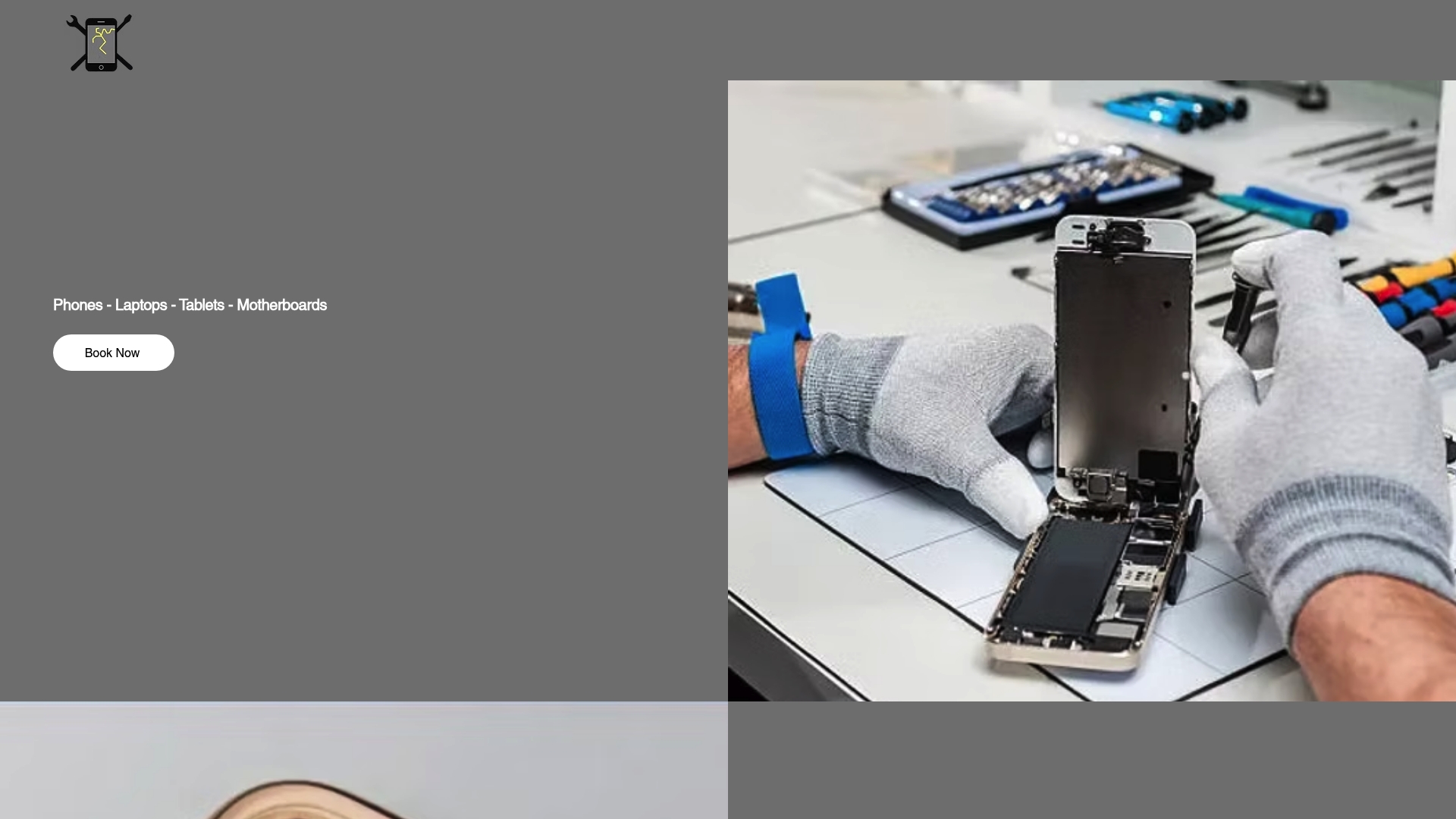
The shop holds local stock for the most common repairs, so you can often walk in and leave the same day. For urgent cases, call ahead to confirm availability and secure a slot. Visit the iPhone repair page to see services and book, or head to the Rapidrepairsldn homepage to get in touch directly.
Useful sources
Apple Service and Repair for iPhone — Apple’s official repair page covering service options, Express Replacement, the 90-day parts guarantee, and mail-in process details.
How Long Does an iPhone Repair Usually Take? (GadgetMates) — Practical breakdown of typical in-store and mail-in timelines for common iPhone faults, including screen, battery, and logic board repairs.
How Long Does It Take to Repair a Car? (CarXplorer) — Cross-industry evidence on how parts availability and external authorisation steps drive repair delays; useful context for understanding why device repairs stall.
Assessing Damage to Accelerate Repair Completion Timeline — Covers how damage severity affects repair timelines and what shops can do to reduce delays through better assessment and communication.
Common iPhone Repair Issues: What We Fix Fast and Reliably (Rapidrepairsldn) — Details the faults Rapidrepairsldn handles most frequently and the typical speed of resolution for each.
Recommended
Comments