
Dalston explained: your 2026 visitor's guide
- 5 hours ago
- 8 min read
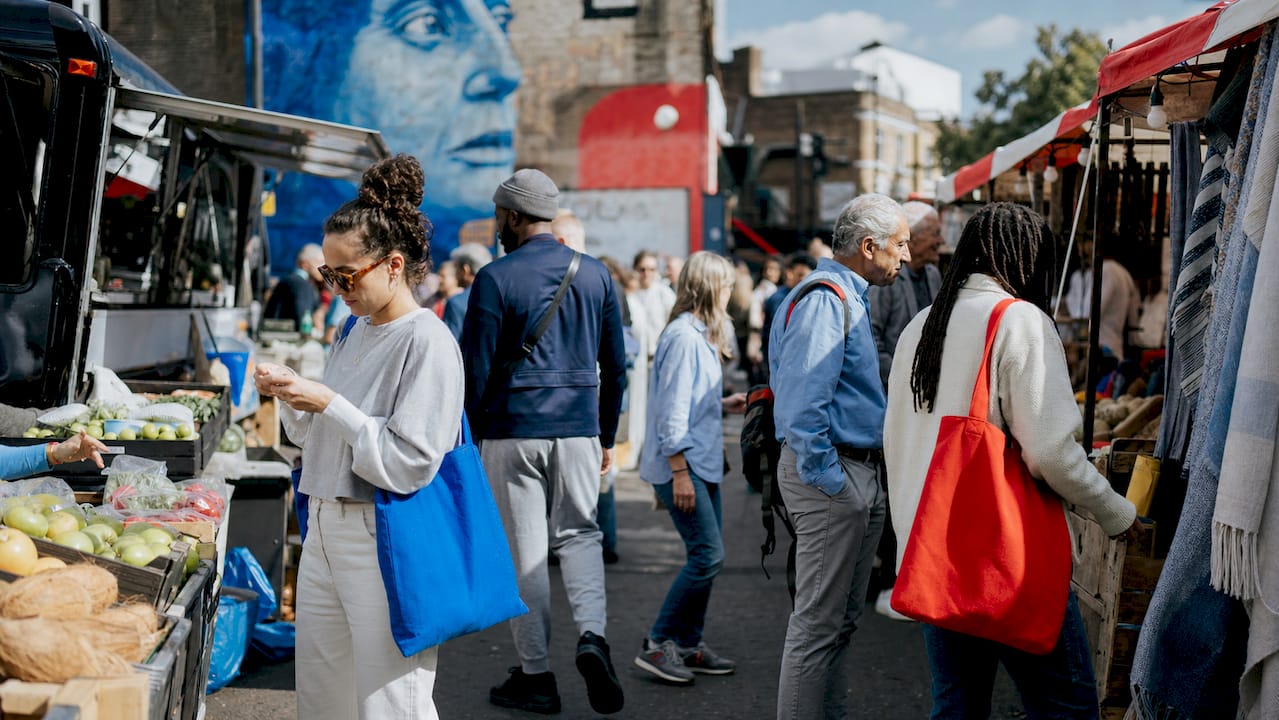
Dalston is defined as a multicultural urban neighbourhood in the London Borough of Hackney, sitting in the heart of East London and widely regarded as one of the capital’s most creatively charged communities. With a population of 8,880) packed into just 0.53 square kilometres, this is one of London’s densest and most culturally layered pockets. Jamaican, Turkish, Polish, and West African communities have all shaped its streets, markets, and food scene over decades. The result is a neighbourhood that feels genuinely alive: independent, occasionally rough around the edges, and entirely unlike the polished zones further west. Whether you are planning a first visit or looking to go deeper, this guide covers everything worth knowing.
What are the key community events in dalston?
The E8 Art and Craft Trail is the standout cultural event in the area, running on 20–21 june 2026 from 11am to 5pm and completely free to attend. Artists and makers open their studios, galleries, and homes to the public across the E8 postcode, which covers much of Dalston and neighbouring Hackney. The trail gives you direct access to working creatives in spaces you would never otherwise see. This is not a curated commercial fair. It is a genuine community event where you can speak with the people actually making the work.
The E8 Trail also preserves Dalston’s artistic heritage by keeping local artists visible and connected to the neighbourhood, even as property prices rise. That matters in an area where studios and affordable spaces have been disappearing steadily for years.
Beyond the trail, Dalston hosts a range of city-supported and community-led events throughout the year:
Ridley Road Market runs Monday to Saturday and draws traders and shoppers from across East London, with food stalls reflecting the area’s multicultural roots
Hackney Council cultural programme supports local arts organisations with grants and public events, many of which are centred around Dalston and Stoke Newington
Pop-up gallery nights on Ashwin Street and surrounding roads appear regularly, often announced only through local social media channels
Event | Date / Frequency | Cost |
E8 Art and Craft Trail | 20–21 june 2026, 11am–5pm | Free |
Ridley Road Market | Monday to Saturday | Free entry |
Ashwin Street pop-ups | Irregular, year-round | Usually free |
Pro Tip: Follow the Hackney Citizen and local Instagram accounts like @dalstondivision to catch pop-up events before they sell out or fill up.
What distinguishes dalston’s dining and nightlife?
Dalston’s food scene is built on multicultural markets and independent kitchens, not restaurant chains. Ridley Road Market is the anchor: a covered street market selling Caribbean produce, Turkish groceries, West African spices, and fresh fish at prices that have not caught up with the area’s rising rents. It is the kind of place where you can spend £3 on a plate of jerk chicken and eat it standing on the pavement.
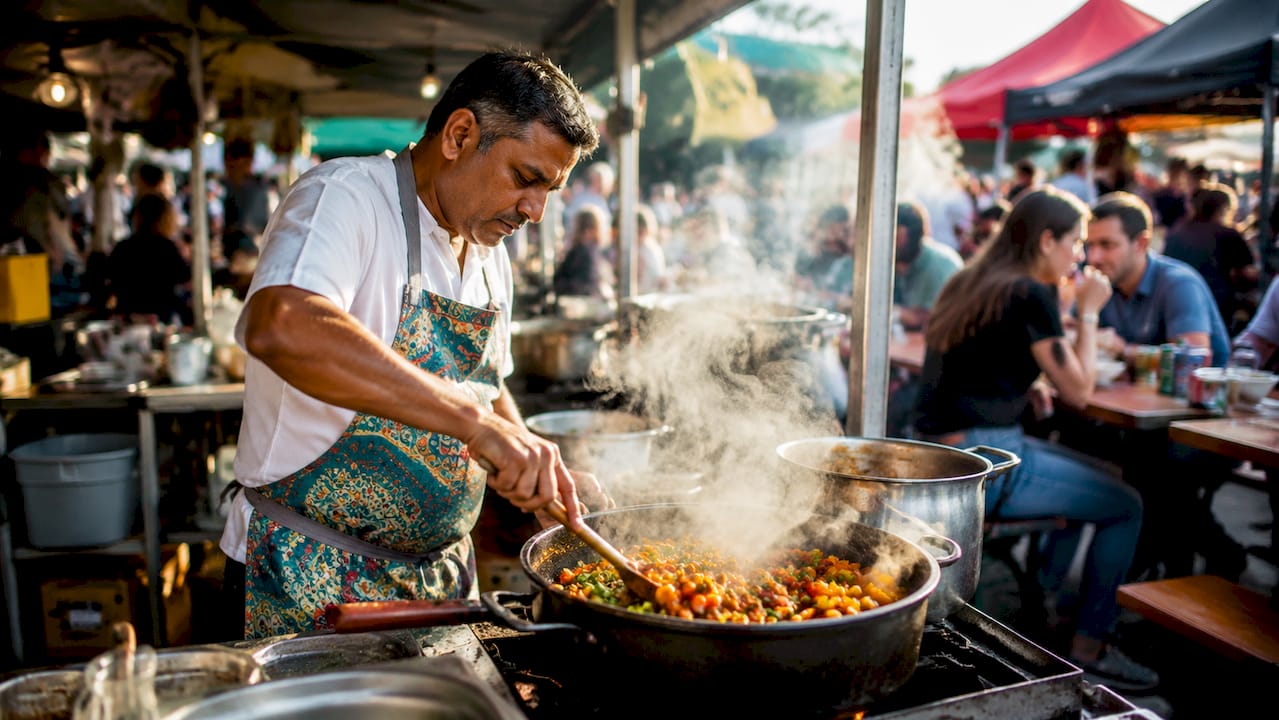
At the other end of the scale, Dalston has quietly developed a credible fine dining presence. Restaurants along Kingsland Road serve everything from traditional Anatolian grills to modern European tasting menus. The contrast between a £4 market lunch and a £60 dinner two streets away is very much part of the experience.
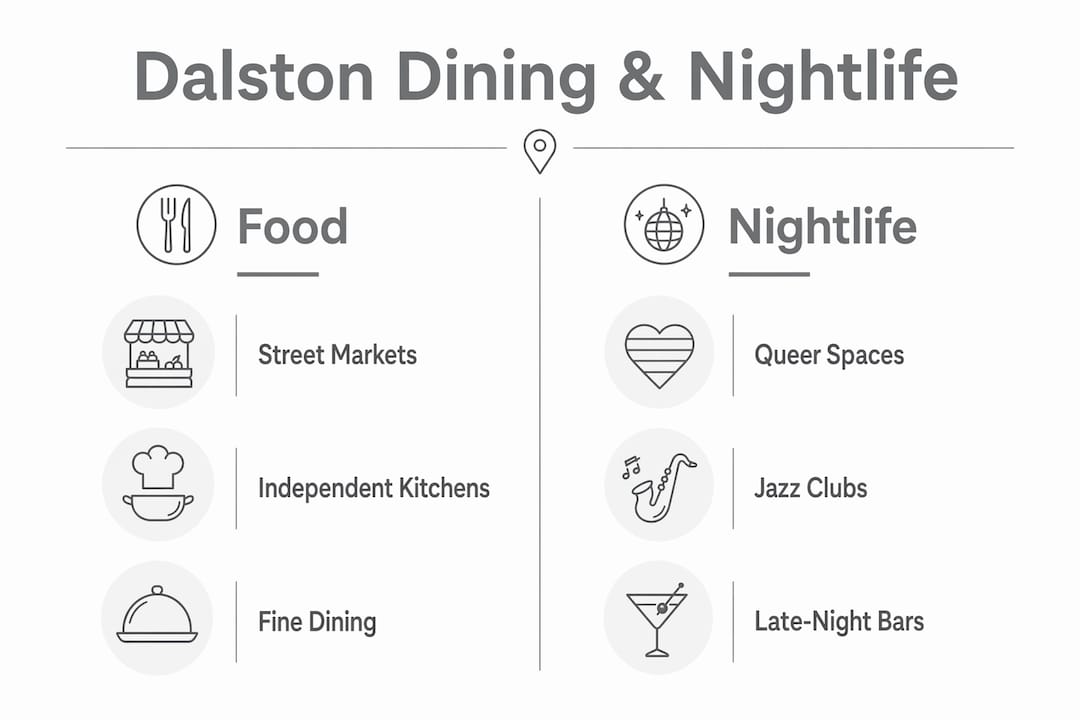
The nightlife scene is equally varied, covering queer spaces, underground jazz clubs, and late-night bars that attract a genuinely diverse crowd. Dalston Superstore is the most well-known venue: a bar, club, and cultural space that prioritises LGBTQIA+ patrons through its door policy. Entry before 10:00pm to 10:30pm is often free, with fees of £7–£10 applying later in the evening. That pricing structure rewards early arrivals and keeps the crowd intentional rather than accidental.
Venue Type | Example | Typical Cost |
Street market food | Ridley Road Market | £2–£5 per dish |
Independent restaurant | Kingsland Road grills | £15–£35 per head |
Nightclub / bar | Dalston Superstore | Free before 10:30pm, £7–£10 after |
Jazz and live music | Side-street clubs | £5–£15 entry |
Pro Tip: Dalston Superstore runs a low-income access scheme. If cost is a barrier, email the venue at least 48 hours before the event to request access.
Key things to know before you go out in Dalston:
Most venues open late and peak after midnight
Cash is still accepted at many bars and market stalls
Dress codes are relaxed but door policies at queer venues are firm on inclusivity
Booking ahead is advisable for popular restaurants on Friday and Saturday nights
How do you navigate dalston’s neighbourhood?
Navigating Dalston centres on three streets: Kingsland Road, Ashwin Street, and Ridley Road. Dalston Kingsland Overground station sits at the heart of all three and is the most practical entry point for visitors. From there, everything worth seeing is within a ten-minute walk.
Here is a practical order for exploring the area:
Start at Dalston Kingsland station and walk south along Kingsland Road to get a feel for the main strip, including Turkish restaurants, independent shops, and the entrance to Ridley Road Market
Turn into Ridley Road Market for food, produce, and a sense of the neighbourhood’s multicultural daily life
Head to Ashwin Street for independent galleries, record shops, and the kind of creative businesses that define Dalston’s arts scene
Explore side streets off Kingsland Road where studios and smaller venues sit away from the main road traffic
Return in the evening for the bar and club scene, which runs from around 9pm through to 4am or later at weekends
Gentrification has changed Dalston significantly over the past fifteen years. Property prices have risen sharply, and several long-standing venues have closed. However, the independent culture remains fiercely intact compared to areas like Shoreditch, where commercial interests have largely displaced the original creative community.
Pro Tip: The best Dalston experiences are rarely on Google Maps. Follow local accounts on Instagram and check community noticeboards in cafes on Ashwin Street for events that do not get mainstream coverage.
How does dalston compare to nearby east london areas?
Dalston holds a distinct position among East London neighbourhoods, and the contrast with Shoreditch is the clearest illustration. Shoreditch was Dalston’s equivalent twenty years ago: independent, creative, and slightly rough. Today it is dominated by corporate pop-ups, tourist bars, and tech company offices. Dalston has resisted that trajectory more successfully, partly because of its stronger multicultural roots and partly because of active community stewardship.
Key differences between Dalston and its neighbours:
Dalston vs Shoreditch: Dalston retains independent venues and community-led spaces; Shoreditch has largely been commercialised
Dalston vs Stoke Newington: Stoke Newington is quieter and more residential; Dalston is denser, louder, and more culturally mixed
Dalston vs Hackney Wick: Hackney Wick is more arts-industrial with warehouse venues; Dalston is street-level and market-driven
The multicultural character of Dalston is not decorative. Jamaican sound system culture shaped the music scene here from the 1970s onwards. Turkish and Kurdish communities built the restaurant strip on Kingsland Road. Polish and West African traders established themselves in Ridley Road Market. These communities are still present and still active.
“Dalston retains a fiercely independent edge and multicultural spirit, unlike more commercial East London areas such as Shoreditch.” Hackney Area Guide
The community of artists and musicians forms the cultural heartbeat of the area, actively supported through events like the E8 Trail and through informal networks that keep creative life going despite rising costs. For visitors using Dalston as a base, it also works well as a starting point for Hackney Wick, Stoke Newington, and Bethnal Green, all reachable within 20 minutes by Overground or bus.
Key takeaways
Dalston is best understood as a dense, multicultural East London neighbourhood where community-led culture, independent venues, and a genuinely diverse social scene coexist with the pressures of gentrification.
Point | Details |
Cultural events anchor the area | The E8 Art and Craft Trail (june 2026, free) is the most accessible way to engage with Dalston’s creative community. |
Nightlife is inclusive by design | Dalston Superstore prioritises LGBTQIA+ patrons and offers low-income access; arrive before 10:30pm for free entry. |
Three streets cover the essentials | Kingsland Road, Ashwin Street, and Ridley Road Market form the core of Dalston’s daily and cultural life. |
Dalston differs from Shoreditch | Dalston’s independent and multicultural character remains intact where Shoreditch has become largely commercial. |
Local social media is your best guide | Many authentic events and studios are only discoverable through community Instagram accounts and local noticeboards. |
What visitors often miss about dalston
I have spent a lot of time in East London, and Dalston is the area I find myself returning to most. Not because it is the most polished or the easiest to navigate, but because it is one of the few places in London where the creative and multicultural energy still feels genuinely earned rather than performed.
Most visitors stick to Kingsland Road and Dalston Superstore, which is understandable. Both are good. But the more interesting experiences are usually one street back. The studios on Ashwin Street, the record shops tucked between Turkish grocers, the community arts spaces that do not have websites. These are the places that tell you what Dalston actually is.
The thing I see visitors get wrong most often is treating Dalston as a nightlife destination and nothing else. The daytime is equally worth your time. Ridley Road Market on a Saturday morning, a coffee in one of the independent cafes on Ashwin Street, a wander through a gallery that opened last week and might close next month. That rhythm is what makes the neighbourhood.
Dalston is also changing, and not slowly. If you want to experience it at its most authentic, go now rather than waiting. The venues and spaces that define it today will not all be there in five years. Support the independent businesses, buy something at the market, pay the entry fee at the club. The community that built this place needs that support to keep it going.
— Joshua
Keep your devices ready for dalston’s busy scene
Dalston moves fast. Between navigating the Overground, photographing market stalls, and keeping up with last-minute event announcements, your phone or tablet takes a real beating on a day out in East London.

Rapidrepairsldn offers fast, reliable repairs for phones, tablets, and laptops across the Hackney area. Whether your screen cracked on the way to Ridley Road or your iPad needs a repair before your next visit, Rapidrepairsldn handles it quickly and without fuss. You can also check out laptop repair options if you are working remotely from one of Dalston’s many independent cafes. For local context on device repair across the borough, the Hackney repair guide covers everything you need to know.
FAQ
Where is dalston located in london?
Dalston is a neighbourhood in the London Borough of Hackney, in East London. It sits north of Shoreditch and is served primarily by Dalston Kingsland and Dalston Junction Overground stations.
What is the best way to get to dalston?
Dalston Kingsland station on the London Overground is the most central access point for the neighbourhood. From there, Kingsland Road, Ridley Road Market, and Ashwin Street are all within walking distance.
Is dalston safe to visit at night?
Dalston is a well-frequented area with an active nightlife scene. Like any urban neighbourhood, staying aware of your surroundings is sensible, but the area is regularly visited by large numbers of people throughout the night at weekends.
What are the best cafes in dalston?
The best cafes in Dalston are concentrated around Ashwin Street and the side roads off Kingsland Road. Most are independent, serve good coffee, and double as community spaces where local events are advertised.
Does dalston have good accommodation options?
Dalston has a growing range of accommodation, from budget guesthouses to serviced apartments. Its Overground connections make it a practical base for exploring wider East London, including Hackney Wick, Bethnal Green, and Stoke Newington.
Recommended
Comments